Cookware
375 products
About Cookware
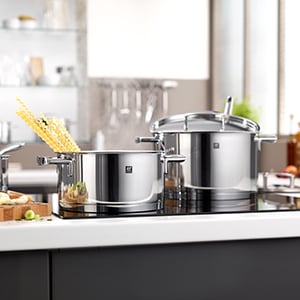
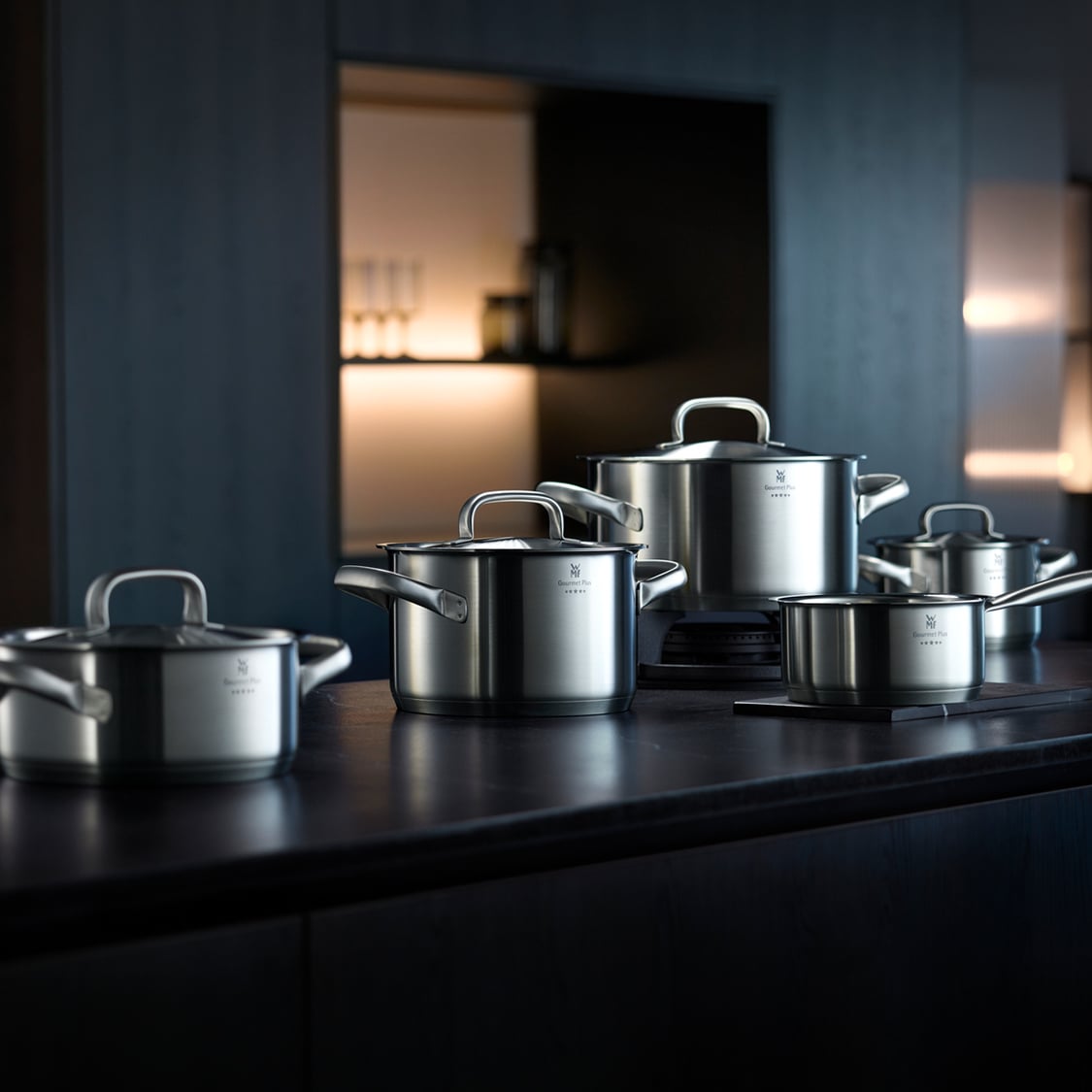
Cookware plays a central role in how food cooks, supporting both everyday meals and more involved recipes that depend on steady heat and reliable performance. Frying pans, saucepans, and casseroles are each designed to deliver consistent results and long-term reliability. These are the essentials that turn good ingredients into well-cooked meals. Whether you are building a new kitchen or upgrading old pans, choosing the right cookware makes a real difference. Many home cooks start with a cookware set because it offers a balanced mix of pots and pans for daily cooking, from boiling and sautéing to simmering and searing. Individual pieces let you add exactly what your cooking style calls for. This range includes options for different heat sources, cooking techniques, and household needs. You will find cookware suited to everything from quick weekday meals to slower, more detailed recipes that need precise temperature control. Our selection reflects what cooks actually use, with pieces chosen for durability, even heat distribution, and practical design. This makes it easier to build a kitchen that works smoothly day after day.
Frequently Asked Questions
23 Questions
No. Different materials suit different cooking habits. Stainless steel is versatile for everyday and high-heat cooking; hybrid coating combines stainless-steel strength with nonstick ease; cast iron suits slow cooking and searing; and nonstick works well for delicate foods such as eggs, fish, and pancakes.
It is durable, long-lasting, suitable for high-heat cooking, and versatile from stovetop to oven. It will not chip or peel.
It combines ceramic nonstick with stainless steel. It offers nonstick ease, improved scratch resistance, strong searing and browning performance, and compatibility with metal utensils.
Choose it for slow cooking and high heat. Its heat retention makes it useful for searing, grilling, roasting, and dishes that benefit from long cooking.
It suits everyday cooking and delicate foods such as eggs, fish, and pancakes. Food releases easily, you can use less oil, and cleanup is quick.
Encapsulated cookware has a heat-conducting core in its base, providing fast, even base heating in a lighter design. Multi-layer cookware has heat-conducting layers throughout, providing more even heat from base to rim and more responsive temperature control.
Three-layer cookware provides even heat from base to rim and responsive temperature control. Five-layer cookware offers greater heat distribution and retention for precise cooking and demanding recipes.
Start with a frying pan for eggs, sautéing, and searing; a saucepan for sauces, soups, boiling, and reheating; and a casserole for simmering, braising, and one-pot dishes.
It reduces cooking time while helping preserve nutrients and flavor.
Soups, stews, bone broth, and cooking large batches.
Its thin, even-heating base suits crêpes, chapati, naan, and pancakes.
Slow-cooking tender meats and aromatic stews.
Searing meat and vegetables indoors. Let food develop a crust before turning it for better grill marks.
High-heat stir-frying, noodles, and Asian dishes.
Risotto, paella, and one-pan meals that can move from kitchen to table.
Roasting meat and vegetables.
Choose based on how many people you cook for and the meals you make. If you need more cooking room, size up. See the size guide below.
Choose a size based on how many people you usually cook for:
18 cm / 1.8 L: Serves 2; ideal for soups, sauces, and sides.
22 cm / 3.3 L: Serves 3–4; great for pasta, curries, and rice.
24 cm / 4.2 L: Serves 4–5; a useful everyday size for stews and braises.
26 cm / 5.3 L: Serves 6; good for casseroles and one-pot meals.
28 cm / 6.7 L: Serves 6–8; suitable for entertaining and meal prep.
30 cm / 8.4 L: Serves 8–10; ideal for big batches or a whole chicken.
32 cm / 10 L: Serves 10–12; suitable for large family meals and gatherings.
Use medium to high heat and avoid plunging a hot pan into water. To loosen burnt food, add water and boil it. For discoloration, try lemon juice and baking soda or a soft stainless-steel polish. Check the product’s care instructions before using a dishwasher.
Cook at medium temperature and avoid prolonged high heat. Avoid sharp utensils, and hand wash with a soft sponge.
Let it cool before hand washing, then dry it promptly. If rust appears, scrub gently and dry immediately. Apply a thin layer of oil after drying to maintain the seasoned surface. For deep seasoning, bake at 180°C for one hour, then let it cool fully. Store with the lid slightly open or off to allow air circulation.
Preheat the pan, add a drop of water, and wait until it beads and moves across the surface. Then add a little oil before cooking.
Start on low heat for five minutes, and never heat it empty: add water or oil. For a new tagine, the provided guide recommends a one-time seasoning with either 2.5 cm of milk or 1 cup of water and ½ cup of rice. Follow the instructions for your specific tagine.
Suitable cookware can improve heat distribution and retention, help you use less oil, and give you better results for the dishes you cook.