

Bakeware
596 products
About Bakeware
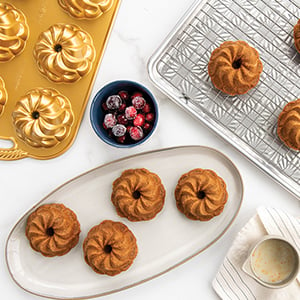
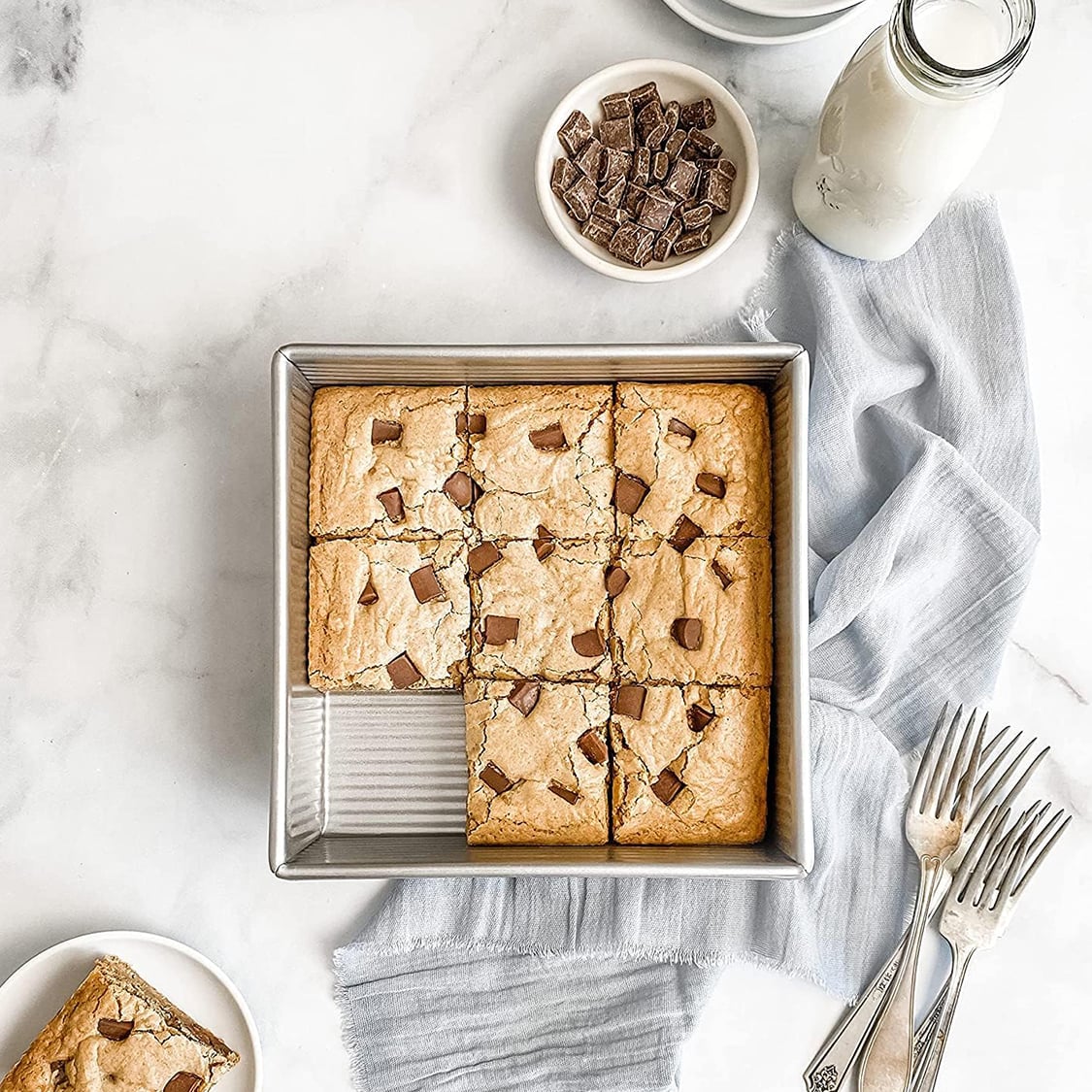
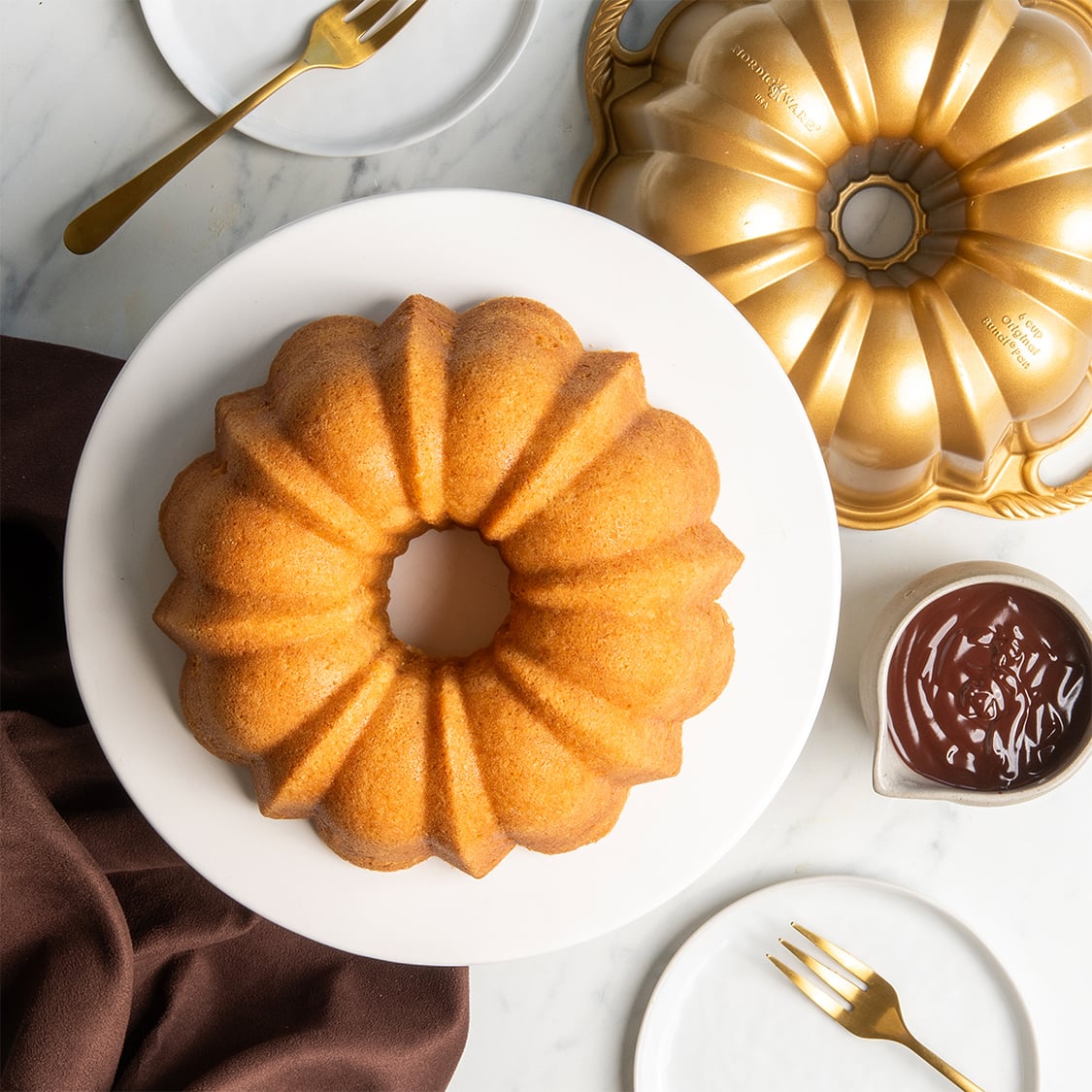
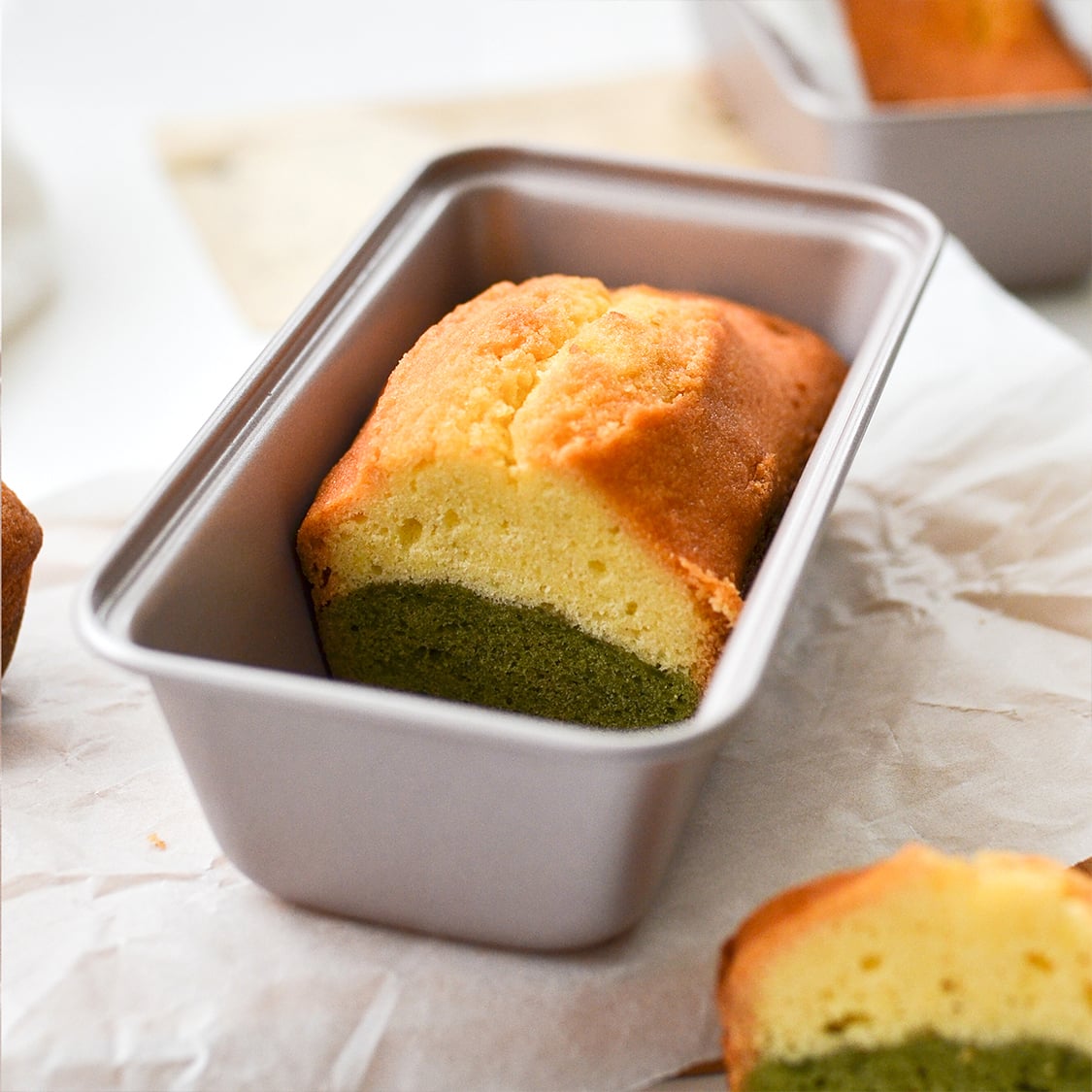
Our bakeware collection brings together the essential tools every home baker reaches for again and again. From cake and loaf pans to pizza, pie, and tart tins, this range helps you go from batter to beautiful results without guesswork. Whether you’re baking bread for breakfast or decorating celebration cakes, having the right pieces makes the process more enjoyable. You’ll find a variety of pans and molds for different recipes, including springform and cheesecake pans, cupcake and muffin trays, as well as multi-cavity and mini treat options.
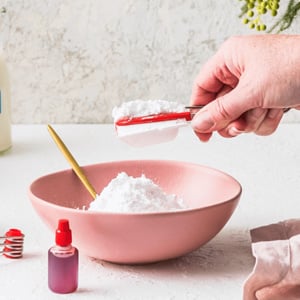
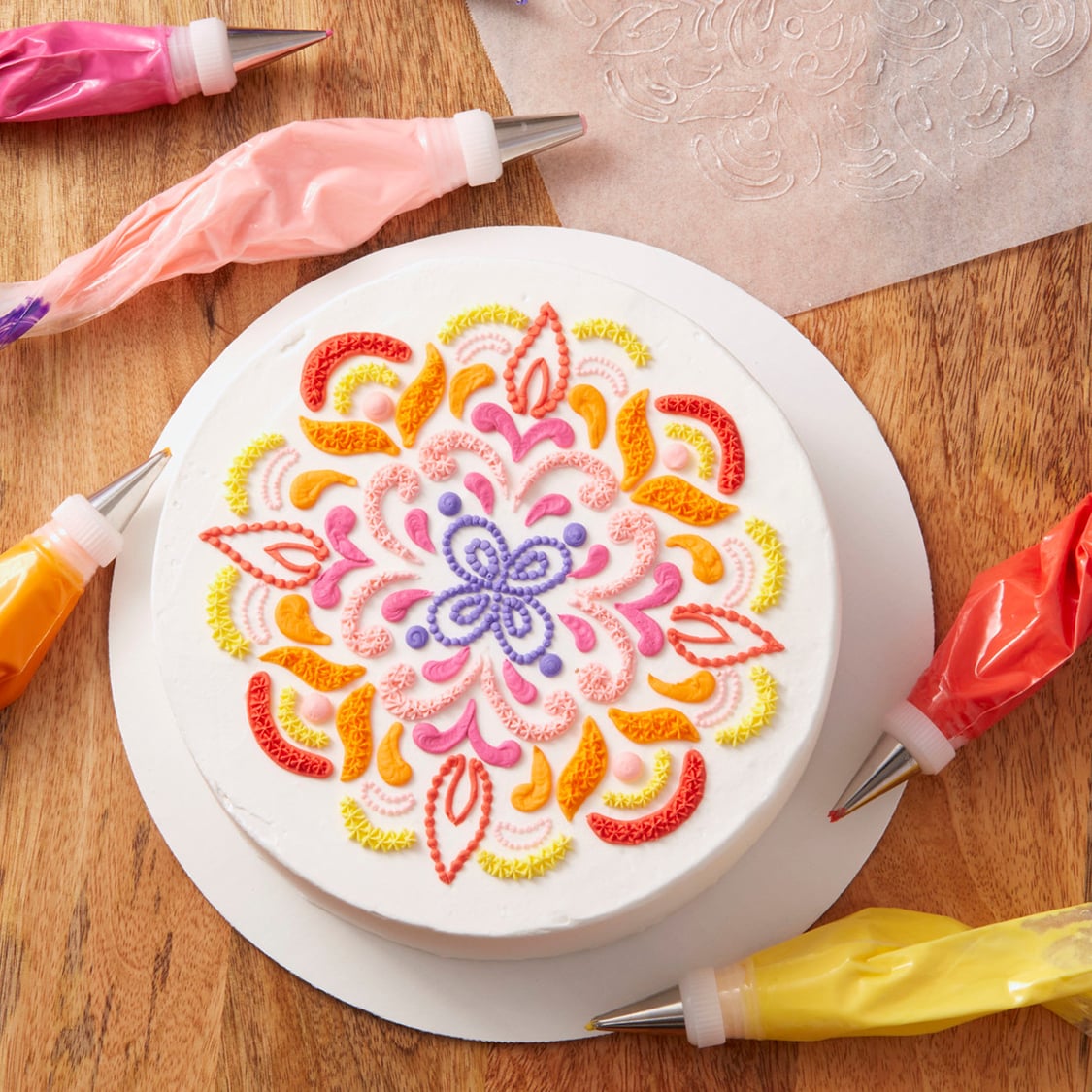
These are designed to distribute heat evenly and release baked goods cleanly, ensuring your creations come out well-formed every time. For everyday baking and special occasions, this category gives you both the basics and the more specialized shapes that expand your repertoire. Beyond pans and molds, you’ll also find tools that support the baking process from start to finish. Cake decorating accessories, rolling pins, measuring tools, and cooling racks all help you work efficiently and with confidence.
Frequently Asked Questions
10 Questions
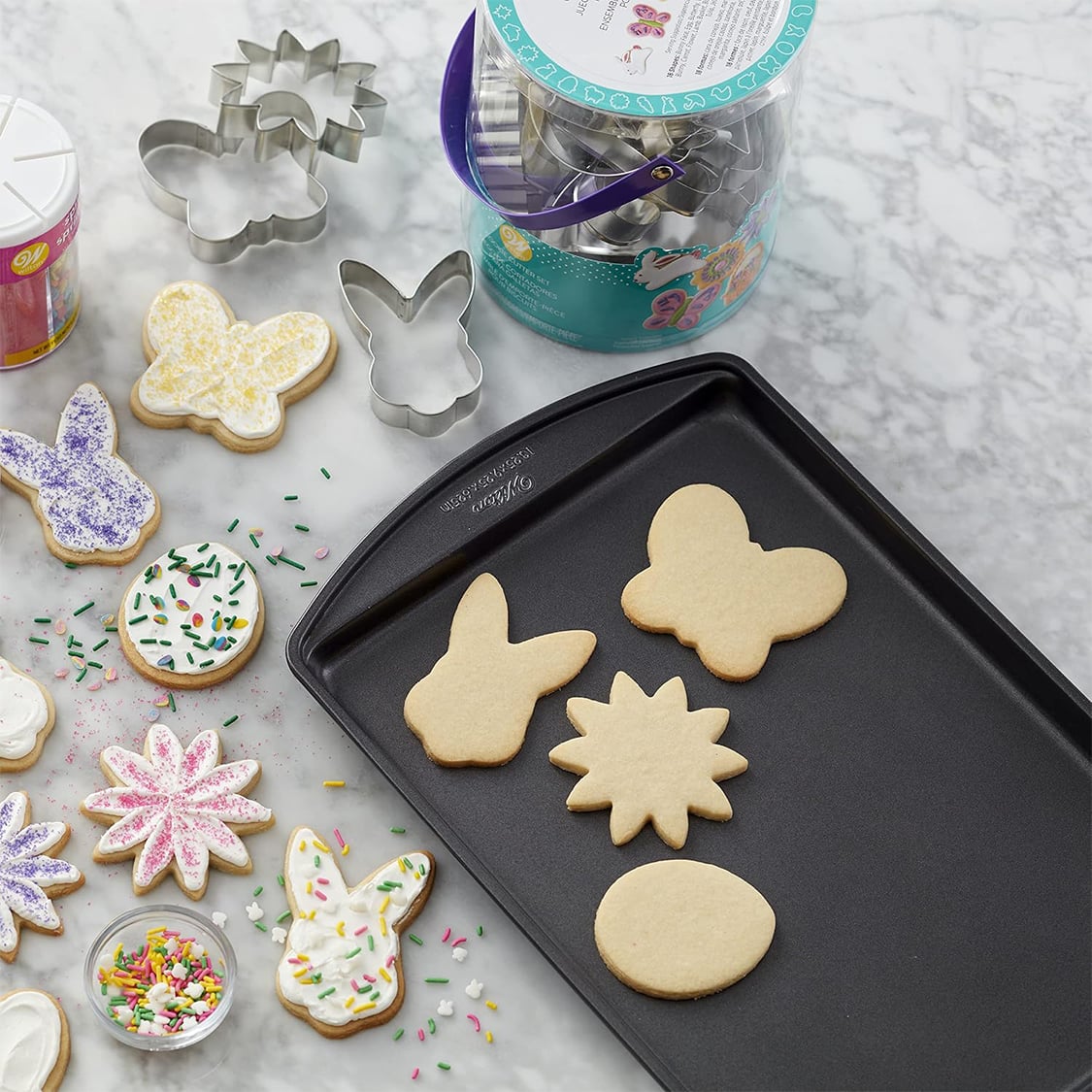
The best bakeware material depends on what you're baking. Metal bakeware, such as aluminized steel or carbon steel, heats quickly and evenly, making it ideal for cakes, cookies, and breads. Ceramic bakeware retains heat well and is perfect for casseroles, gratins, and baked desserts, while glass bakeware allows you to easily monitor browning. Many home bakers keep a mix of materials for different recipes.
Consider the type of food you're making and the results you want. Metal pans are ideal for cakes, cookies, and breads because they heat quickly and promote even browning. Ceramic and glass dishes are well suited for casseroles, baked pasta, cobblers, and other recipes that benefit from steady heat retention. Choosing the correct size and shape also helps ensure even baking and consistent results.
Metal bakeware heats quickly and produces even browning, making it ideal for most baked goods. Ceramic and glass retain heat well, helping dishes stay warm longer and making them suitable for oven-to-table serving. Silicone bakeware is flexible, naturally non-stick, and works well for cakes, muffins, and other baked treats that benefit from easy release.
Bakeware is designed primarily for baking cakes, breads, pastries, cookies, and similar recipes, while ovenware is typically used for roasting, casseroles, gratins, and other savory dishes. Some products, such as ceramic or glass baking dishes, can serve both purposes depending on the recipe.
To prevent food from sticking, lightly grease your bakeware with butter or oil, or line it with baking paper when appropriate. Using quality non-stick bakeware and allowing baked goods to cool for a few minutes before removing them can also help ensure easy release. Always follow the manufacturer's care instructions to preserve the performance of your bakeware.
In many cases, non-stick bakeware requires little or no greasing. However, lightly greasing the surface can make releasing delicate baked goods even easier and may help extend the life of the non-stick coating. Always follow the manufacturer's recommendations for your specific bakeware.
It depends on the material and the manufacturer's instructions. Many ceramic, glass, and some metal bakeware pieces are dishwasher safe, while others, especially those with non-stick coatings, may last longer when washed by hand. Always check the product care guidelines before cleaning.
Some bakeware can be used in air fryers or microwaves, but compatibility depends on the material and the size of the cookware. Silicone, glass, and microwave-safe ceramic are often suitable for microwave use, while metal bakeware should never be used in a microwave. For air fryers, ensure the bakeware fits comfortably inside the basket and is approved for the appliance. Always follow the manufacturer's instructions.
Soak the bakeware in warm, soapy water to help loosen baked-on food before gently cleaning it with a soft sponge or non-abrasive scrubber. Avoid harsh scouring pads or abrasive cleaners, especially on non-stick surfaces, as they can damage the finish.
Store bakeware in a dry place and avoid stacking pieces directly on top of one another whenever possible. If stacking is necessary, place a soft cloth, paper towel, or pan protector between each piece to help prevent scratches, chips, and damage to non-stick coatings.